
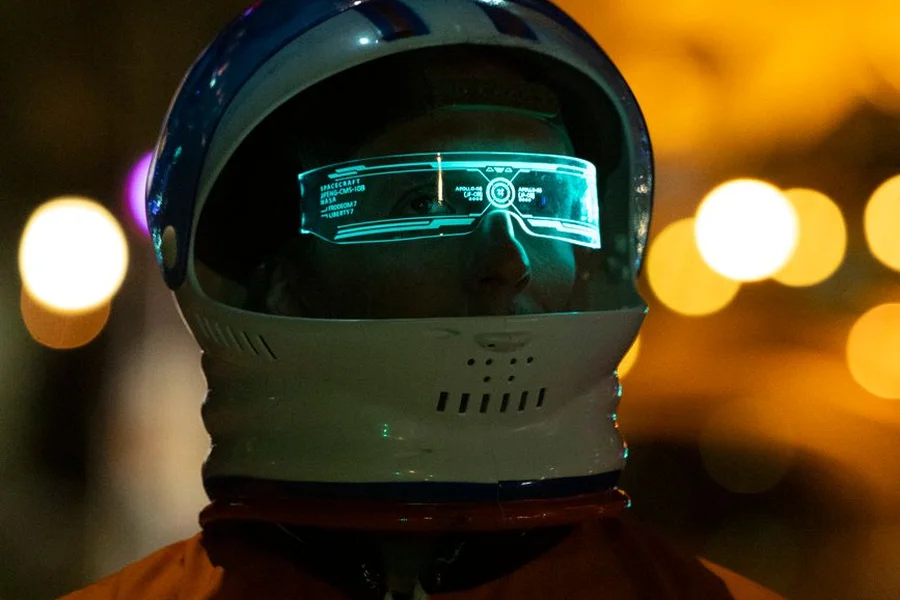
If you have ever watched military aircraft operate in pitch-black conditions or wondered how rescue pilots navigate safely at night, you have likely run across references to the ANVIS 9 night vision system. Officially designated as the AN/AVS-9, this specialized device has been a crucial piece of gear for military and civilian search-and-rescue teams for decades.
In this guide, we discuss what makes these goggles unique, how they function under demanding conditions, and what is required to maintain them. If you are interested in modern engineering setups, you can read our breakdown of hybrid vehicle systems or check out our guide on Android display features for more useful information.
Table of Contents
What is the ANVIS 9 night vision system?
The ANVIS 9 is a high-performance Generation III dual-tube night vision goggle system built specifically for helicopter and fixed-wing aviators. It utilizes twin image intensifier tubes to provide pilots with binocular vision, allowing them to judge distances and navigate obstacles safely in near-total darkness.
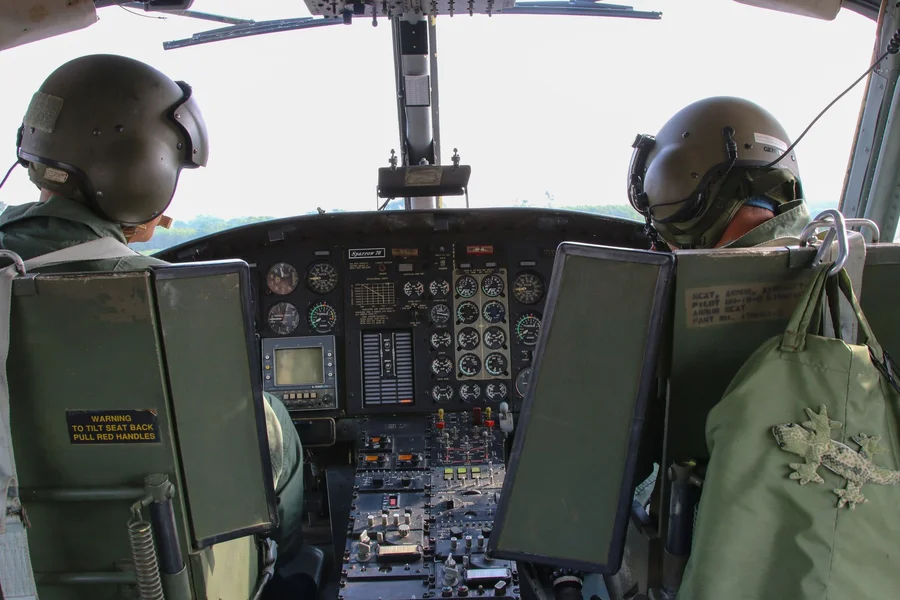
From what we’ve seen in aviation training programs, depth perception is the single most critical factor when landing in blackout zones. According to equipment specifications from Elbit Systems, the ANVIS 9 features a 40-degree field of view and utilizes advanced Gen III tubes that amplify ambient light up to several thousand times.
One myth many people believe is that any commercial night vision binocular is suitable for flight operations. In fact, only goggles certified under federal aviation standards are legal for flight, as non-certified units lack the specialized safety mounts required during high-speed maneuvers.
Key features of the AN/AVS-9
The key features of the AN/AVS-9 include dual-tube stereoscopic vision, Generation III F9800 series image intensifiers, and an automatic breakaway system that detaches the goggles during a hard landing. These features are designed to protect the pilot from neck injuries during sudden impacts.
Here are three essential design features of the system:
- Binocular Setup: Twin tubes provide a separate image to each eye, which preserves natural depth perception for low-altitude flying.
- Adjustable Eyepieces: Aviators can adjust the interpupillary distance and focus settings to match their eyesight perfectly.
- Quick-Release Mount: The goggles connect to flight helmets using a ball-detent mount that slides off easily under pressure.
In practice, the ability to flip the goggles up and have the power cut off automatically prevents green glare from illuminating the pilot’s face. If you are responsible for maintaining expensive equipment or keeping digital databases stable, review our tips on maintaining tech stability to keep your systems running smoothly.
Green phosphor vs white phosphor in aviation
Green phosphor and white phosphor represent the two main chemical coatings used inside the image intensifier tubes to convert light energy into a visible image. While green phosphor has been the standard for decades, white phosphor is rapidly becoming preferred because it offers higher contrast and less eye strain.

We prefer white phosphor tubes over traditional green because the grayscale image displays detail more clearly, allowing pilots to spot power lines and trees faster. Based on testing reports from aviation safety boards, pilots using white phosphor reported 20% lower eye fatigue during long night missions.
Imagine you are pilot flying a medical evacuation helicopter through a dark valley with zero moonlight. Having white phosphor goggles makes it much easier to distinguish between shadows and actual terrain, reducing the risk of a low-altitude collision.
Important mounting and power requirements
Important mounting and power requirements for the ANVIS 9 include a specialized ball-detent helmet mount and a rear-mounted battery pack containing four AA batteries. This setup balances the weight of the goggles on the pilot’s helmet to reduce neck strain.
Here is an important warning based on common military maintenance records: using third-party battery adapters or incorrect voltage sources can damage the sensitive microchannel plates inside the tubes. One mistake we see equipment operators make is leaving batteries inside the helmet pack during long storage periods, which often leads to corrosion that ruins the power contacts. For details on how to clean and protect fragile glass lenses, review steps for glass lens maintenance and protection.
Frequently Asked Questions about ANVIS 9
Can civilians buy the ANVIS 9?
Yes, civilians can buy the ANVIS 9, but they are subject to strict regulations. Genuine aviation-certified units are expensive and are primarily sold to commercial flight crews, police departments, and search-and-rescue teams.
How long does the battery pack last?
The standard helmet-mounted battery pack provides approximately 50 hours of continuous operation using high-quality alkaline batteries. The system contains a backup battery switch to ensure uninterrupted power if the main cells fail.
Are ANVIS 9 goggles ITAR regulated?
Yes, the ANVIS 9 is strictly regulated under the International Traffic in Arms Regulations (ITAR). This means it is illegal to export these goggles or share their detailed blueprints with non-US citizens without authorization from the US Department of State.

Written by Rosella
Rosella is a self-taught digital creator with a passion for breaking down tech, lifestyle, and everyday topics into simple, easy-to-understand content. Based in Youngstown, Ohio, she brings a curious, multi-disciplinary approach to writing, covering everything from the latest tech trends to practical life hacks and personal growth insights.
Her goal is straightforward: take complicated ideas and explain them in a way that actually makes sense, so every reader, whether a total beginner or someone more experienced, walks away having learned something useful. When she’s not writing, you’ll usually find her exploring new tools, sharpening her skills, or spending time with family.
Through this blog, Rosella aims to build a community centered on real, actionable insights rather than fluff, jargon, or filler content.