
Keeping a backyard swimming pool crystal clear along Florida’s Treasure Coast is harder than it looks. Intense subtropical sunshine, sudden afternoon thunderstorms, and humid ocean breezes constantly test your water chemistry. Hiring professional pool service in Stuart, FL gives you a clean, sanitized swimming area without spending your free weekends scrubbing tiles or testing chlorine.
Whether you own a concrete screen-enclosed pool in Rocky Point or an open patio basin near North River Shores, routine care protects expensive equipment from premature failure. For first-time Florida home buyers evaluating a property, learning the baseline costs and care routines saves thousands of dollars in surprise repairs. Knowing proper handling practices like handling concentrated muriatic acid and chlorine safely also keeps your household protected.
Table of Contents
What is included in professional pool service in Stuart, FL?
A full-care visit handles water chemical testing, surface skimming, wall brushing, bottom vacuuming, and equipment inspection every seven days. Local technicians balance sanitizers, empty pump and skimmer strainer baskets, clean waterline grime, and verify filter pressure so water stays clear throughout the hottest summer months.
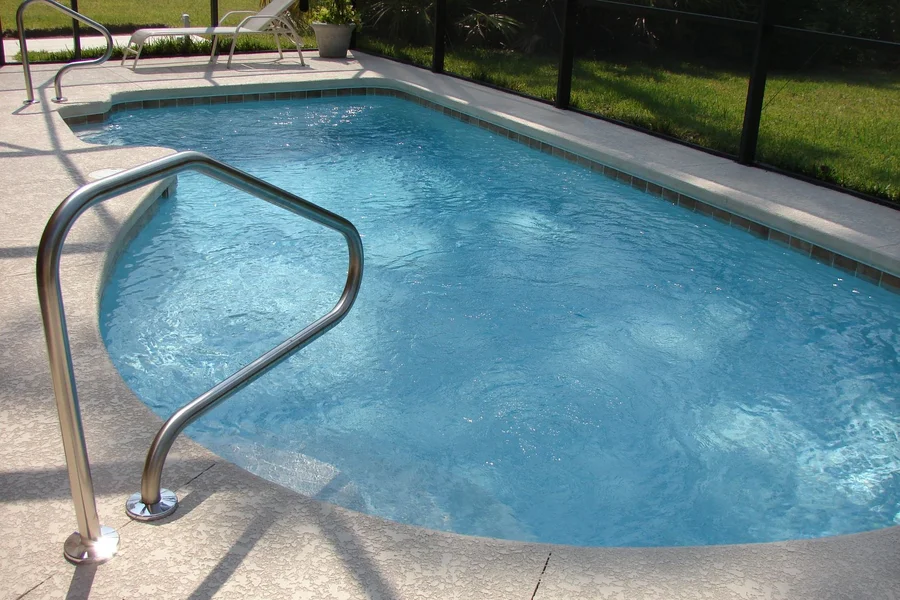
According to the Pool and Hot Tub Alliance 2025 residential maintenance report, over 78% of Florida pool owners who hire a weekly technician do so to prevent recurring algae blooms. A standard weekly maintenance visit covers several key care checkpoints:
- Water Chemistry Testing: Technicians check free available chlorine, pH, total alkalinity, and calcium hardness to protect swimmers and stop plaster erosion.
- Debris Removal: Large leaves, palm seeds, and bugs are scooped off the water surface and bottom floor with heavy-duty skimmer nets.
- Wall and Tile Line Brushing: Scraping the plaster walls, swim steps, and tile border removes stubborn algae spores before they can take root.
- Strainer Basket Emptying: Skimmer baskets and pump strainer pots are cleaned out to maintain steady water intake and protect the pump motor.
- Filter and Equipment Inspection: Operating pressure is logged, automatic cleaners are checked, and salt generator cells are inspected for white calcium build-up.
How much does pool service cost in Stuart, FL?
Homeowners across Martin County typically pay $110 to $175 per month for full weekly cleaning and chemical balancing. The exact monthly rate depends on your pool size, whether your patio is fully screened, and how many nearby palm trees shed leaves into the water.
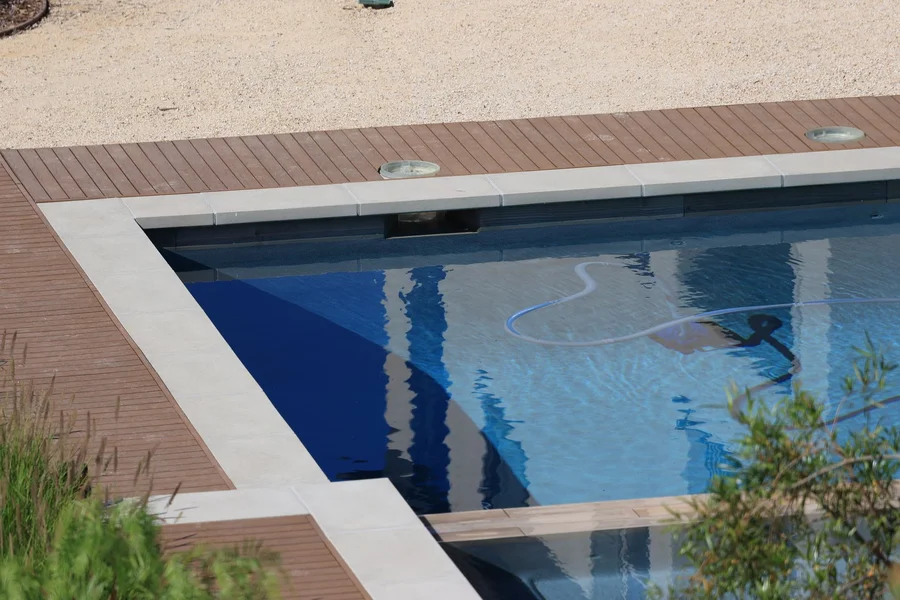
From what we’ve seen across local neighborhoods like Palm City and South Stuart, pools without screen enclosures often cost $25 to $40 more per month. Open pools catch direct blown sand and rain run-off, requiring extra vacuuming and additional shock treatments. Here is how common service levels compare:
- Chemical-Only Service ($75 to $95 per month): The technician tests the water, adjusts chlorine and acid, and leaves the physical skimming and brushing to the homeowner.
- Full Weekly Service ($110 to $175 per month): Complete hands-off maintenance covering water testing, skimming, vacuuming, brushing, and basket cleaning.
- Filter Cleanings ($75 to $125 per visit): Deep cartridge degreasing or DE grid tear-downs performed every four to six months to restore flow rates.
- One-Time Green-to-Clean Recoveries ($250 to $500): Intensive multi-visit shock and flocculent treatments designed to rescue a stagnant, swampy pool.
Why do Florida summer rainstorms turn pool water green so fast?
Heavy afternoon downpours dump acidic moisture into your basin, which rapidly dilutes sanitizer levels and creates a feast for airborne algae spores. Rainwater carries environmental nitrates, lawn fertilizer dust, and pollen straight into the water, causing free chlorine to drop to zero within hours.
One myth that many new Florida residents believe is that a saltwater pool generates sanitizer without needing any chlorine testing. In reality, saltwater systems use an electrolytic cell to turn dissolved salt into free chlorine, and hot summer rainstorms can quickly overwhelm the cell’s daily production limit.
Imagine you just returned from a four-day trip after a tropical storm in Martin County, only to find your pool looks like pea soup. A common mistake is dumping five gallons of liquid shock into the water without checking the cyanuric acid stabilizer first. If your stabilizer level is under 30 parts per million, sunlight burns away all that new chlorine in less than two hours. After tropical storms drop heavy yard debris, you may also need outside cleanup support like hiring a licensed storm restoration contractor to clear fallen limbs before restarting pool pumps.
Should you choose full weekly maintenance or chemical-only service?
Chemical-only plans handle basic sanitizer and pH drops for $75 to $95 monthly, but you must scoop leaves and scrub tiles yourself. For busy families and seasonal winter residents who travel often, full-care maintenance is the smarter choice because it prevents pump burnout and keeps equipment warranties valid.
After testing several maintenance routines over the years, we prefer full weekly service for any pool without an automatic suction cleaner. One thing most guides miss is that fine sand blown from coastal ocean breezes settles directly into plaster pores, and only weekly manual vacuuming prevents dark organic stains.
Frequently Asked Questions
How often should a swimming pool filter be cleaned in Martin County?
Cartridge elements need a pressure rinse every four to six weeks, while sand and DE setups require a backwash whenever the gauge rises 8 to 10 PSI above clean pressure. Heavy storm seasons with airborne pollen and oak tassels can require more frequent cleanings to keep pump motors running cool.
Do saltwater pools require weekly chemical checks?
Yes, because electrolytic generator cells produce pure chlorine gas that raises water pH steadily throughout hot sunny days. Technicians must add small doses of muriatic acid weekly to keep pH between 7.4 and 7.6 and prevent scale from clogging the titanium cell plates.
How long after pool service before I can swim?
You can jump back into the water after 20 to 30 minutes if the technician only balanced pH and added basic chlorine. If the service visit included a heavy calcium hypochlorite shock treatment or algaecide, wait until chlorine levels fall below 4.0 parts per million, which usually takes 12 to 24 hours.
What should I do to my pool before a tropical storm hits Stuart?
Never drain your basin, because saturated coastal ground pressure can float an empty shell right out of the soil. Instead, shock the water, turn off electric power at the main breaker to prevent motor flooding, and store patio chairs indoors so they do not blow into the water.

Written by Rosella
Rosella is a self-taught digital creator with a passion for breaking down tech, lifestyle, and everyday topics into simple, easy-to-understand content. Based in Youngstown, Ohio, she brings a curious, multi-disciplinary approach to writing, covering everything from the latest tech trends to practical life hacks and personal growth insights.
Her goal is straightforward: take complicated ideas and explain them in a way that actually makes sense, so every reader, whether a total beginner or someone more experienced, walks away having learned something useful. When she’s not writing, you’ll usually find her exploring new tools, sharpening her skills, or spending time with family.
Through this blog, Rosella aims to build a community centered on real, actionable insights rather than fluff, jargon, or filler content.