
Conversations about sexual health often blend slang terms with biological functions, leading many people to wonder is a orgasim the same as coming. While everyday language frequently treats the two as identical milestones, human anatomy reveals that an orgasm and ejaculation are two distinct physiological events that happen to occur together during most intimate encounters.
In this guide, we review how the nervous system creates an orgasm, how fluid release is a separate spinal reflex, and why recognizing these differences reduces performance stress. Listening to your body without judgment is a fundamental part of maintaining mindful physical health and wellness habits throughout your life. Understanding that involuntary responses mirror broader patterns in mammalian biology and nervous system reflexes helps demystify how our bodies naturally react to physical stimulation.
Table of Contents
Is an orgasm the same as coming? Quick answer and definition
No, an orgasm is not biologically the same as coming, although people routinely use the words interchangeably. An orgasm is a neurological climax of intense pleasure centered in the brain and central nervous system, whereas coming colloquially refers to ejaculation, which is the physical expulsion of fluid controlled by a lower spinal cord reflex.

From what we’ve seen across clinical sexual wellness studies, separating the sensation of pleasure from fluid emission helps people understand their own bodies far better. According to medical researchers at major university health systems, a person can experience a full, intensely pleasurable orgasm without expelling any fluid, and conversely, involuntary fluid expulsion can occasionally occur without intense pleasure.
One myth many adults believe is that an encounter is only successful if visible fluid release happens at the exact same moment pleasure peaks. In truth, because the brain governs the sensory peak while the lower spine manages fluid expulsion, their timing can vary naturally depending on hydration, age, stress levels, and medications.
The biology of orgasm: A brain and nervous system event
An orgasm is primarily a neurological and neurochemical phenomenon. As physical or mental stimulation builds, sensory nerve endings send continuous signals up the spinal cord directly to the pleasure centers of the brain.
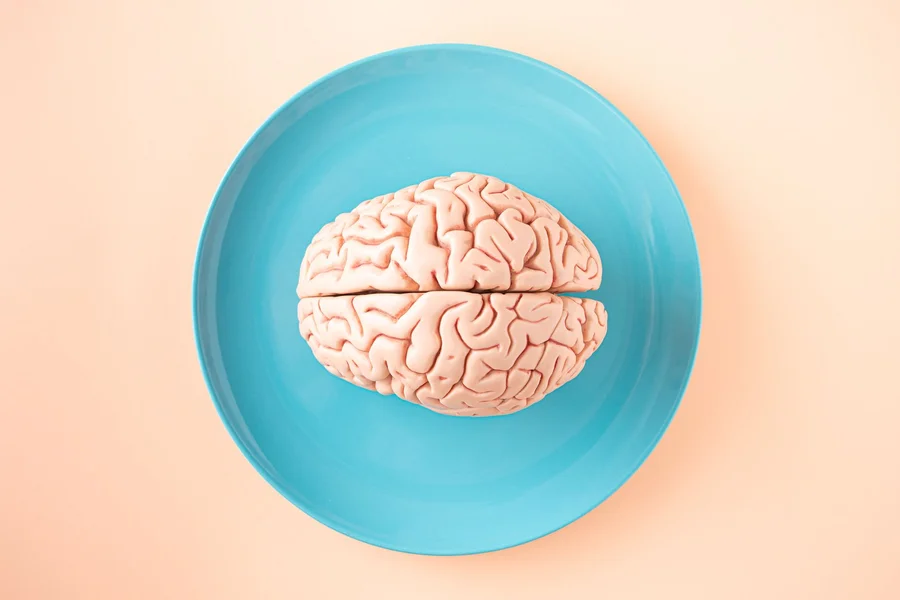
Here are four core biological events that happen during an orgasm:
- Neurochemical Flood: The brain rapidly releases dopamine for intense reward sensations, oxytocin for emotional bonding, and endorphins that relieve physical pain.
- Rhythmic Muscle Contractions: The pelvic floor muscles, including the bulbospongiosus and pubococcygeus muscles, contract involuntarily at intervals of roughly 0.8 seconds.
- Cardiovascular Acceleration: Heart rate, blood pressure, and breathing speed up dramatically to deliver oxygenated blood to contracting muscles.
- Post-Climax Calm: After the peak subsides, prolactin and serotonin flood the system, creating feelings of physical relaxation, satisfaction, and drowsiness.
In practice, observing how muscle groups coordinate during involuntary pulses resembles the balance found in precision bodily structural alignment during physical exercise.
The mechanics of ejaculation: Why fluid release is a separate reflex
Ejaculation is a mechanical, muscular reflex triggered by nerve pathways located in the lumbar and sacral regions of the lower spine. In males, it involves two stages: emission, where seminal fluid gathers in the urethra, and expulsion, where rhythmic pelvic contractions force the fluid out.
Because ejaculation is governed by a spinal reflex rather than the cerebral cortex, it can function independently of brain pleasure. Conditions such as retrograde ejaculation (where fluid travels harmlessly into the bladder) produce dry orgasms, where full intense pleasure occurs without any fluid exit. Similarly, after certain surgeries or prostate treatments, men regularly report satisfying orgasms without seminal emission.
Common myths about climaxing and bodily responses
Pop culture and adult media often portray intimacy with unrealistic standards, creating false expectations around how bodies must respond. Many women, for instance, wonder if they must produce fluid to prove they have reached climax.

We prefer emphasizing that female climax does not require any fluid release, although some individuals produce small amounts of fluid from the Skene’s glands during intense stimulation. Placing pressure on yourself or a partner to produce visible fluid distracts from emotional connection and personal comfort.
Imagine letting go of rigid expectations during an intimate evening. Focusing purely on mutual comfort, relaxation, and genuine sensation allows your nervous system to respond naturally without anxiety or performance pressure.
Frequently Asked Questions about orgasm vs coming
Can you have an orgasm without ejaculating?
Yes, known medically as a dry orgasm, a person can experience full neurological pleasure and pelvic contractions without releasing seminal or prostatic fluid.
Why do people use the terms interchangeably in conversation?
Because orgasm and ejaculation usually happen at the same time for most people, colloquial speech has blurred the distinction between the sensory climax and the physical fluid release.
Can females ejaculate during an orgasm?
Some females release a clear, watery fluid from the paraurethral Skene glands during high arousal or orgasm, but it is not required for a healthy, complete climax.

Written by Rosella
Rosella is a self-taught digital creator with a passion for breaking down tech, lifestyle, and everyday topics into simple, easy-to-understand content. Based in Youngstown, Ohio, she brings a curious, multi-disciplinary approach to writing, covering everything from the latest tech trends to practical life hacks and personal growth insights.
Her goal is straightforward: take complicated ideas and explain them in a way that actually makes sense, so every reader, whether a total beginner or someone more experienced, walks away having learned something useful. When she’s not writing, you’ll usually find her exploring new tools, sharpening her skills, or spending time with family.
Through this blog, Rosella aims to build a community centered on real, actionable insights rather than fluff, jargon, or filler content.