
Few cultural spectacles rival the sheer visual energy, vocal power, and acrobatic precision of Poland’s most celebrated artistic institution. Following an absence of sixteen years from North American stages, the Mazowsze US tour brings the full majesty of the Polish National Song and Dance Ensemble back to enthusiastic audiences across major American cities.
In this guide, we review what makes a Mazowsze concert so memorable, from the hundred-plus performers sharing the stage to the handcrafted regional costumes and five national dances. Orchestrating such complex live productions requires unwavering commitment, similar to the dedication behind methodical discipline and long-term practice across any professional craft. For music lovers who treasure the warmth of live acoustic arrangements over synthesized tracks, the rich arrangements echo the sonic richness celebrated in vintage acoustic recordings and orchestral music.
Table of Contents
What is the Mazowsze US tour?
The Mazowsze US tour is a premier North American concert tour by the Polish National Song and Dance Ensemble Mazowsze, presenting authentic Polish folk songs, national dances, and symphonic arrangements. Traveling with over one hundred artists, including a full orchestra, classical choir, and ballet dancers, the production showcases the cultural heritage of Poland’s distinct historical regions.
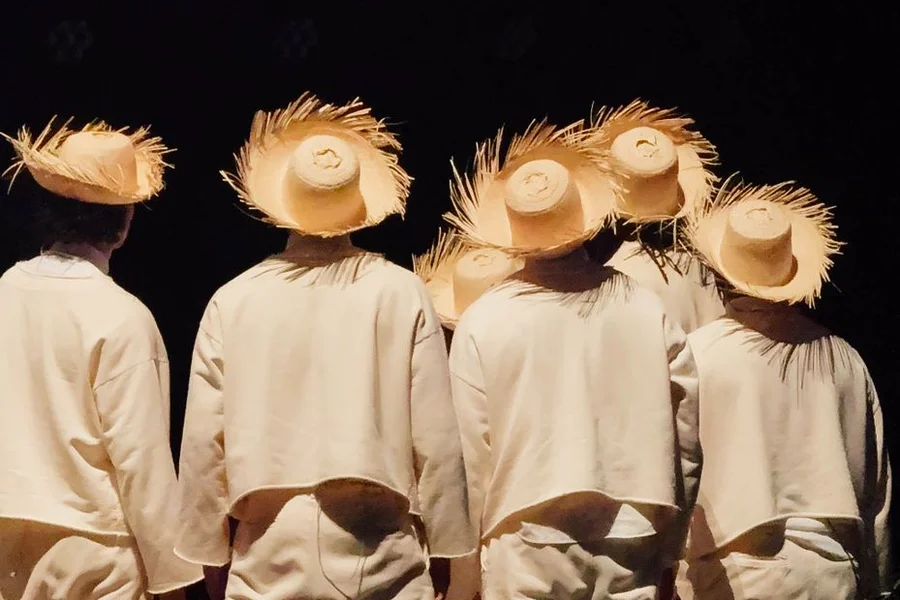
From what we’ve seen during major international folk productions, the return of Mazowsze to iconic venues like The Kennedy Center in Washington, D.C., and the Copernicus Center in Chicago marks a historic milestone for world performing arts. According to theater critics and diaspora organizations, the multi-city tour drew multi-generational crowds eager to experience the living heart of European folk traditions.
One myth many first-time attendees assume is that touring troupes of this size rely on pre-recorded backing tracks for their music. In truth, Mazowsze travels with its complete live symphony orchestra and vocal choir, filling concert halls with authentic acoustic brass, strings, and choral harmony without digital trickery.
Inside the stage spectacle: Dancers, choir, and live orchestra
The scale of a live Mazowsze performance is breathtaking. Rather than rotating small groups, the company fills the stage with dozens of singers and dancers moving in perfect harmony with the conductor’s baton.
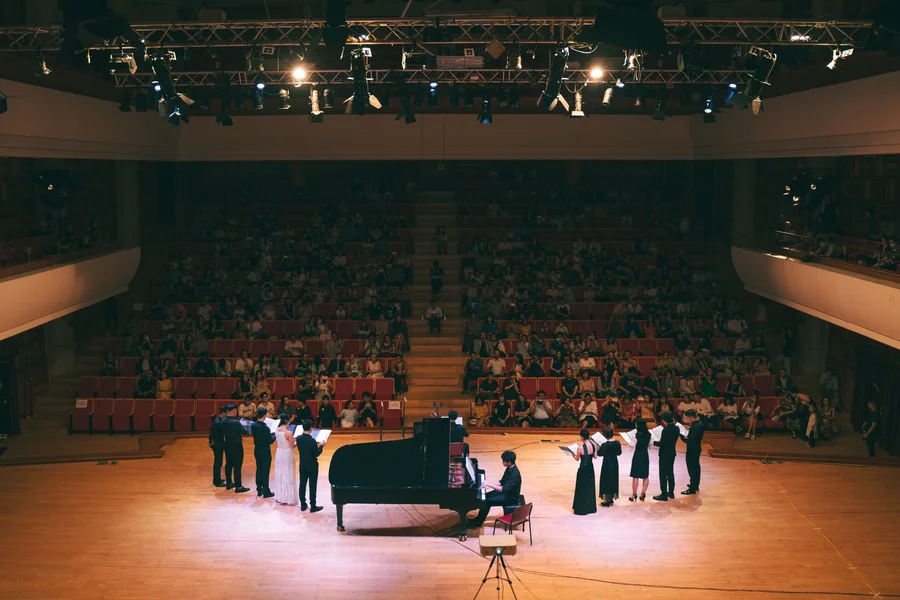
Here are five national dances that form the core of the ensemble’s touring program:
- Polonez: The stately, ceremonial processional dance that opens royal court festivities with noble dignity.
- Mazur: A lively, galloping dance originating from the plains of Mazovia, known for its rapid tempo and heel-clicking accents.
- Krakowiak: A brisk, syncopated dance from Kraków featuring iconic peacock feather caps and rhythmic clinking belt ornaments.
- Kujawiak: A romantic, slow-waltzing melody that captures the gentle environment and emotional warmth of central Poland.
- Oberek: A whirlwind of spinning acrobatic lifts and rapid turns that pushes male dancers through gravity-defying floor leaps.
Watching the performers execute lightning-fast changes between these contrasting rhythms demonstrates years of rigorous classical ballet training fused with native folk expression.
Regional folklore and handcrafted costume artistry
Beyond the dancing and singing, Mazowsze is renowned for preserving Poland’s material folk culture through museum-quality attire. Performers change costumes dozens of times throughout an evening, representing regions from the Baltic northern coast to the southern Tatra Mountains.
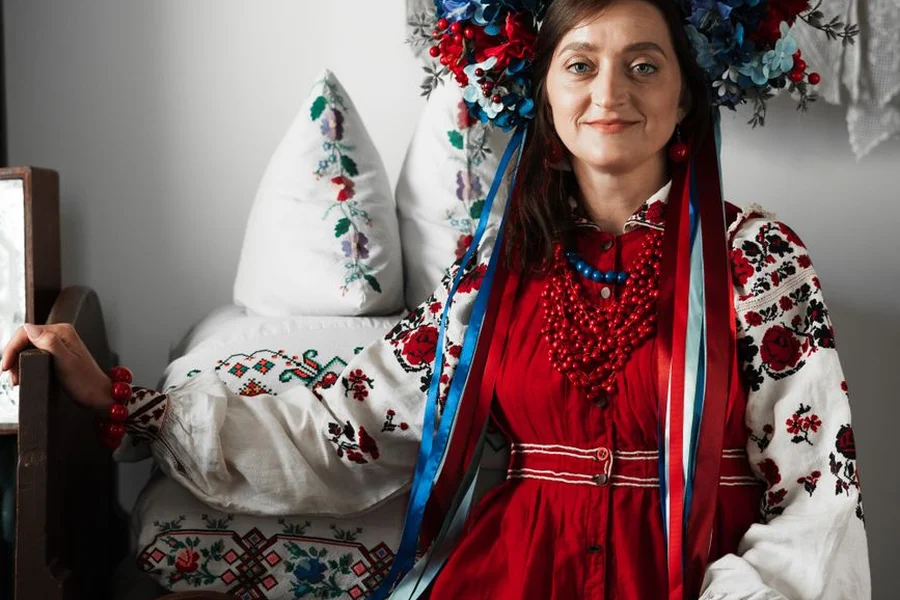
Costumes from regions like Łowicz feature bold rainbow-striped woolen aprons, while Kraków designs incorporate velvet bodices adorned with thousands of hand-sewn sequins and real coral beads. The careful construction of these ornate stage pieces mirrors the precision seen in traditional textile hand-sewing and embroidery across historical tailoring trades.
Historical legacy of Mazowsze and its cultural ambassador role
Founded in 1948 by visionary composer Tadeusz Sygietyński and celebrated actress Mira Zimińska-Sygietyńska, Mazowsze was created to protect Poland’s rural folk music in the aftermath of the Second World War. The founders traveled through war-torn villages, recording folk melodies and inviting talented village youths to train at the historic Karolin estate outside Warsaw.
We prefer regarding Mazowsze as Poland’s premier cultural ambassador because the ensemble has performed in over fifty countries, sharing Polish heritage with millions of international viewers. Their North American performances connect diaspora families with their ancestral roots while introducing new audiences to Europe’s richest folklore traditions.
Imagine standing in a packed concert auditorium as eighty vocalists harmonize the nostalgic folk song Dwa Serduszka. The sound washes over the crowd, creating an unforgettable connection to generations of shared cultural history.
Frequently Asked Questions about the Mazowsze US tour
When did Mazowsze last tour the United States?
Before their return in 2026, the ensemble had not toured North American cities since 2010, making their recent visit an eagerly awaited milestone for audiences.
What famous Polish dances does Mazowsze perform on tour?
The ensemble performs Poland’s five recognized national dances: the stately Polonez, the energetic Mazur, the syncopated Krakowiak, the graceful Kujawiak, and the athletic Oberek.
How many performers travel with the Mazowsze touring company?
The traveling company features more than one hundred artists, including over thirty orchestral musicians, a full concert choir, and dozens of professional folk dancers.
Written by Rosella
Rosella is a self-taught digital creator with a passion for breaking down tech, lifestyle, and everyday topics into simple, easy-to-understand content. Based in Youngstown, Ohio, she brings a curious, multi-disciplinary approach to writing, covering everything from the latest tech trends to practical life hacks and personal growth insights.
Her goal is straightforward: take complicated ideas and explain them in a way that actually makes sense, so every reader, whether a total beginner or someone more experienced, walks away having learned something useful. When she’s not writing, you’ll usually find her exploring new tools, sharpening her skills, or spending time with family.
Through this blog, Rosella aims to build a community centered on real, actionable insights rather than fluff, jargon, or filler content.