
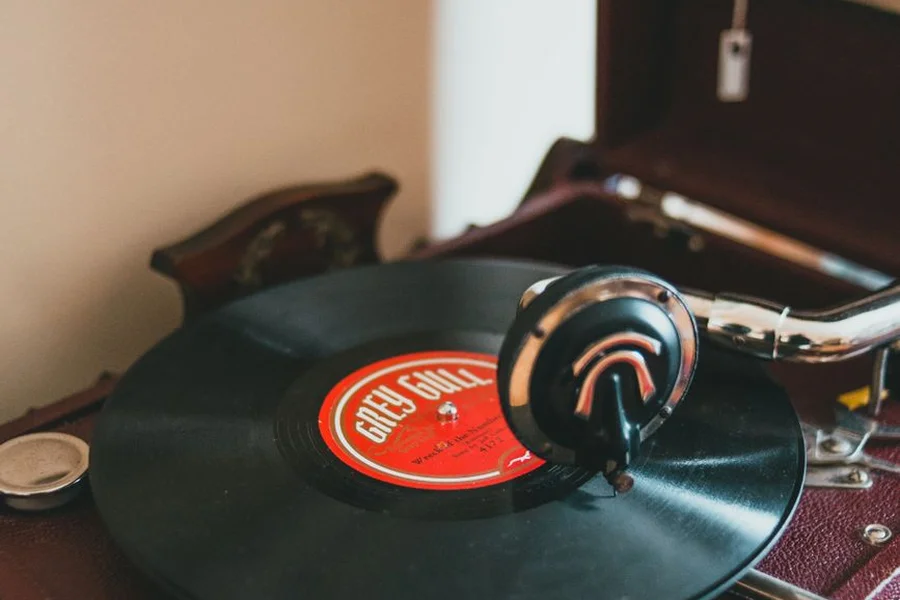
If you have ever flipped through a crate of vinyl records at a local thrift store or listened to a classic rock station, you know the incredible influence of the 1970s. This era changed how music was recorded and consumed, turning the long-playing record into the ultimate musical statement.
In this guide, we discuss why records from this decade remain so popular, which ones are essential for your collection, and how to keep them in top shape. Whether you are learning to care for old albums or starting a new physical hobby, taking a methodical approach helps you get the best results. You can also look back at vintage trends in our guide to seventies styling and iconic hair looks for more retro inspiration.
Table of Contents
Why are 70s albums considered the gold standard of music?
The 70s albums are considered the gold standard of music because the decade saw the transition from simple pop singles to cohesive, high-fidelity concept albums. Recording studios adopted multi-track analog tape systems that gave music a warmer, more lifelike sound than modern digital files can replicate.
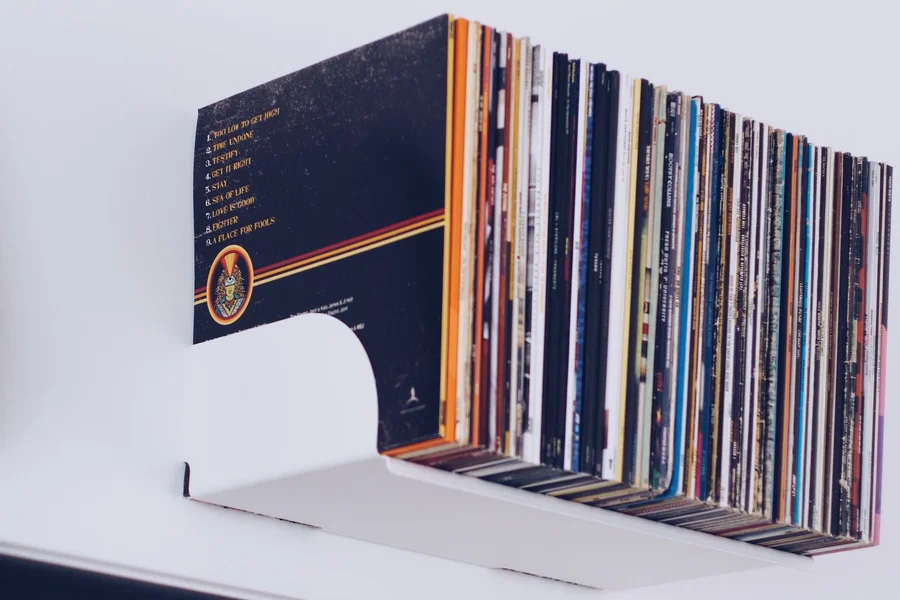
From what we’ve seen in independent record stores, the physical nature of vintage records is a major part of their appeal. According to historical sales tracking reports from Billboard, the 1970s saw the birth of mega-selling albums that stayed on the charts for years, proving that listeners wanted complete musical narratives rather than single hits.
One myth many new collectors believe is that modern digital remasters always sound better than original pressings. In fact, modern reissues are often created from compressed digital files, which removes the spacious stereo mix and warmth that engineers originally captured on analog tape in the studio.
The absolute essential 70s albums for every collection
The absolute essential 70s albums for every collection include Fleetwood Mac’s Rumours, Pink Floyd’s The Dark Side of the Moon, and Marvin Gaye’s What’s Going On. These three records represent the peak of songwriting, engineering, and cultural impact during the decade.
Here are three legendary records you should add to your shelf:
- Fleetwood Mac – Rumours (1977): An album born from personal drama, it features perfect pop-rock songwriting and has sold over 45 million copies worldwide.
- Pink Floyd – The Dark Side of the Moon (1973): Famous for its progressive soundscapes, it spent an record-breaking 741 weeks on the Billboard album charts.
- Marvin Gaye – What’s Going On (1971): A masterpiece of soul music that introduced social commentary and smooth, continuous song transitions.
In practice, finding these albums in good condition requires a bit of patience. If you are learning the details of buying vintage collectibles, the same rules of inspection apply to checking the surfaces of old vinyl records.
How to care for classic 70s vinyl records
To care for classic 70s vinyl records, store them vertically in acid-free inner sleeves, avoid touching the grooves with your fingers, and clean them with a specialized carbon fiber brush before every playback. Proper storage prevents the delicate vinyl from warping under heat or pressure.

We prefer using high-quality outer plastic sleeves to protect the cardboard jacket art from ring wear and scuffs. According to product testing guides from the Library of Congress, paper sleeves from the 1970s contain acids that yellow and deteriorate the record cover over time.
Imagine you have just found an original pressing of a Led Zeppelin album in a thrift store box. Knowing how to handle the disc by its edges keeps skin oils from trapping dust inside the grooves, protecting the sound quality for future listening sessions.
Where to find original pressings of 70s records
You can find original pressings of 70s records at independent record shops, estate sales, flea markets, and specialized online databases like Discogs. Checking the matrix numbers stamped into the run-out groove of the vinyl is the only way to verify a true first pressing.
Here is an important warning based on common collector mistakes: do not assume a record is a valuable original pressing just because the cover shows a 1970s copyright date. One mistake we see beginners make is paying high prices for common records that were reprinted dozens of times throughout the 1980s and 1990s. For tips on cleaning delicate turntable needles or preserving delicate hardware components, review our maintenance guidelines to prevent damaging your needle.
Frequently Asked Questions about 70s Music
What is the best-selling album of the 1970s?
Fleetwood Mac’s Rumours and Pink Floyd’s The Dark Side of the Moon are among the best-selling albums of the decade, each having sold tens of millions of physical copies globally since their release.
Why did albums become more popular than singles in the 70s?
FM radio stations began playing longer album tracks instead of just top-40 singles, encouraging artists to create longer, thematic works that listeners could enjoy from start to finish.
How can you tell if an original 70s pressing is valuable?
You must check the catalog numbers and letters etched into the run-out groove near the center label. Comparing these codes on databases like Discogs will show the exact pressing year and origin.

Written by Rosella
Rosella is a self-taught digital creator with a passion for breaking down tech, lifestyle, and everyday topics into simple, easy-to-understand content. Based in Youngstown, Ohio, she brings a curious, multi-disciplinary approach to writing, covering everything from the latest tech trends to practical life hacks and personal growth insights.
Her goal is straightforward: take complicated ideas and explain them in a way that actually makes sense, so every reader, whether a total beginner or someone more experienced, walks away having learned something useful. When she’s not writing, you’ll usually find her exploring new tools, sharpening her skills, or spending time with family.
Through this blog, Rosella aims to build a community centered on real, actionable insights rather than fluff, jargon, or filler content.