
When NASA sends four astronauts around the Moon aboard the Orion spacecraft, the entire world will eagerly watch their return to Earth. Pinpointing when is Artemis 2 splashdown scheduled allows space fans, educators, and stargazers to plan their viewing for this historic oceanic landing.
In this guide, we review the planned splashdown schedule, the ten-day lunar flyby timeline, the high-speed skip re-entry maneuver, and naval recovery operations in the Pacific Ocean. Coordinating complex aerospace recovery demands strict timing, much like relying on precision chronometer tracking during flight countdowns. Every recovery boat and helicopter adheres to methodical safety and checklist routines to ensure crew protection from the moment the capsule hits the waves.
Table of Contents
When is the Artemis 2 splashdown scheduled?
The Artemis 2 splashdown is scheduled for approximately ten days after launch, targeting an evening landing in the Pacific Ocean off the coast of San Diego, California. Official flight plans pinpoint the primary splashdown date around April 10, 2026, at approximately 5:07 PM Pacific Daylight Time.
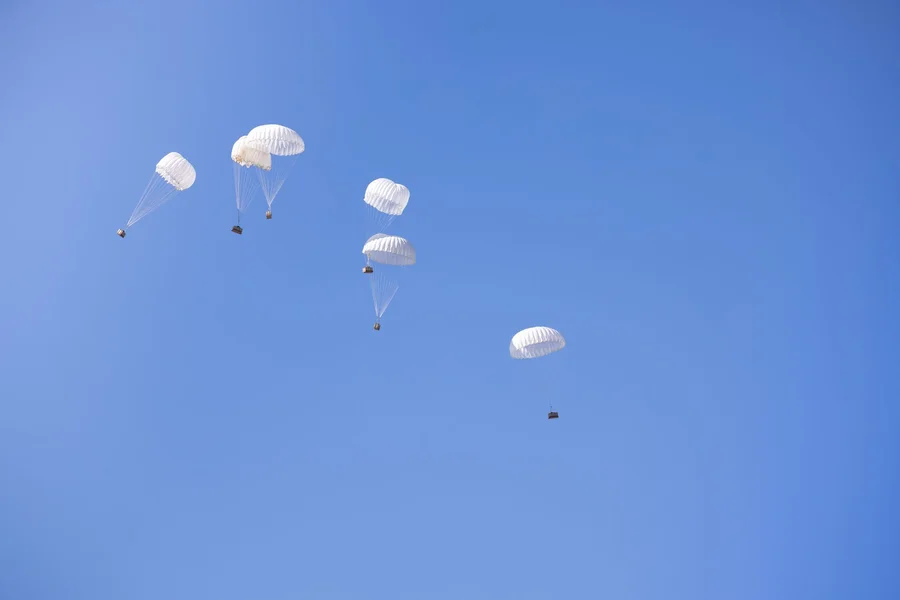
From what we’ve seen during joint NASA and Navy training exercises, landing windows depend directly on the chosen liftoff day from Launch Complex 39B at Kennedy Space Center. According to mission trajectory models, the spacecraft follows a free-return trajectory, swinging past the far side of the Moon before gravity brings it straight back home.
One myth many observers assume is that the capsule plunges straight down through the sky in a single continuous drop. In truth, Orion performs a calculated skip re-entry, entering the upper atmosphere, rising slightly to shed orbital velocity, and then completing its final descent to pinpoint the recovery zone.
Artemis 2 mission timeline from launch to ocean landing
The Artemis 2 flight spans roughly ten days from the Florida launch pad to Pacific recovery. After reaching orbit, the crew tests manual piloting modes and life support gear before firing their interim cryogenic propulsion stage toward the Moon.
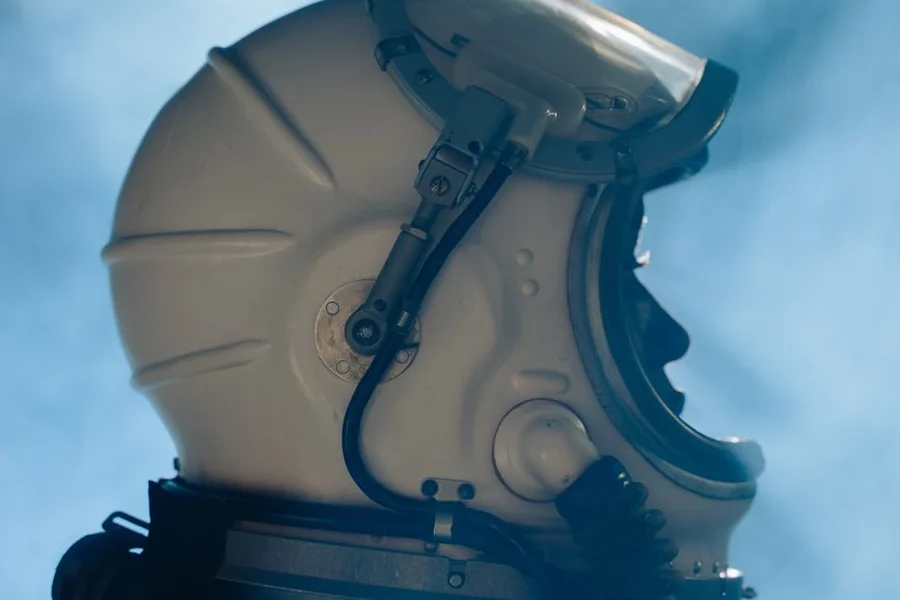
Here is how the ten-day flight unfolds:
- Days 1 to 2: High Earth orbit checkout, manual proximity operations, and trans-lunar injection burn.
- Days 3 to 5: Outbound cruising toward the Moon, reaching more than two hundred thousand miles from Earth.
- Days 6 to 8: Lunar flyby around the far side of the Moon and the homeward free-return leg.
- Days 9 to 10: Service module separation, atmospheric entry, and parachute splashdown off Southern California.
In practice, night-time monitoring and visual tracking use specialized optical sensors similar to aerospace night observation gear to keep sight of the descending capsule in dusk or dawn skies.
Re-entry physics: The skip maneuver and parachute deployment
Returning from lunar distance means Orion enters the atmosphere at roughly twenty-five thousand miles per hour, generating friction temperatures approaching five thousand degrees Fahrenheit on its heat shield. The skip maneuver spreads these deceleration forces over several minutes, keeping gravity loads manageable for the crew.
At approximately twenty-four thousand feet, jettison covers reveal forward thrusters and small drogue parachutes that stabilize the capsule. Once speed drops below three hundred miles per hour, three massive main parachutes unfurl, slowing Orion down to a gentle twenty miles per hour for water impact.
Pacific Ocean recovery operations and astronaut retrieval
Once Orion touches the water approximately sixty miles southwest of San Diego, recovery crews from the USS John P. Murtha spring into action. Small inflatable boats carry Navy divers who secure a stabilization collar around the capsule to prevent tipping.

We prefer following naval recovery feeds because watching the floating porch raft inflate beside the spacecraft shows the disciplined teamwork between NASA engineers and naval divers. The astronauts step onto the platform, board small boats or helicopters, and receive quick medical evaluations aboard the ship before flying to San Diego and Houston.
Imagine waiting aboard the recovery ship as the orange parachutes blossom against the evening sunset. Welcoming the first crewed lunar travelers in over half a century marks an unforgettable milestone in modern spaceflight history.
Frequently Asked Questions about the Artemis 2 splashdown
Where will the Artemis 2 Orion spacecraft splash down?
The Orion spacecraft will splash down in the Pacific Ocean, approximately sixty miles off the coast of San Diego, California, where naval recovery teams will be stationed.
Who are the four astronauts aboard the Artemis 2 flight?
The crew includes NASA astronauts Reid Wiseman, Victor Glover, and Christina Koch, alongside Canadian Space Agency astronaut Jeremy Hansen.
How long does the recovery operation take after splashdown?
Initial diver arrival and flotation collar placement take about fifteen minutes, while full astronaut extraction and transport to the primary ship take approximately one to two hours.

Written by Rosella
Rosella is a self-taught digital creator with a passion for breaking down tech, lifestyle, and everyday topics into simple, easy-to-understand content. Based in Youngstown, Ohio, she brings a curious, multi-disciplinary approach to writing, covering everything from the latest tech trends to practical life hacks and personal growth insights.
Her goal is straightforward: take complicated ideas and explain them in a way that actually makes sense, so every reader, whether a total beginner or someone more experienced, walks away having learned something useful. When she’s not writing, you’ll usually find her exploring new tools, sharpening her skills, or spending time with family.
Through this blog, Rosella aims to build a community centered on real, actionable insights rather than fluff, jargon, or filler content.