If you are a fan of Japanese literature or modern romance manga, you have likely run across the phrase Hana ni Arashi. This poetic expression carries centuries of literary history in Japan and has served as the title for several beloved graphic novels and artistic works.
In this guide, we discuss the origin of the phrase, its cultural meaning regarding the fleeting nature of happiness, and its popular manga adaptations. Appreciating art and storytelling often requires understanding subtle themes, much like evaluating classic music releases when reviewing iconic artistic albums and media. Cultivating an eye for emotional nuance also helps you maintain a mindful creative balance in your daily reading habits.
Table of Contents
What does Hana ni Arashi mean?
Hana ni Arashi literally translates to “a storm over blossoms” or “flowers in a storm.” It is a famous Japanese idiom derived from a classical proverb that signifies how life’s greatest moments of beauty and joy are often met with sudden obstacles or misfortune.
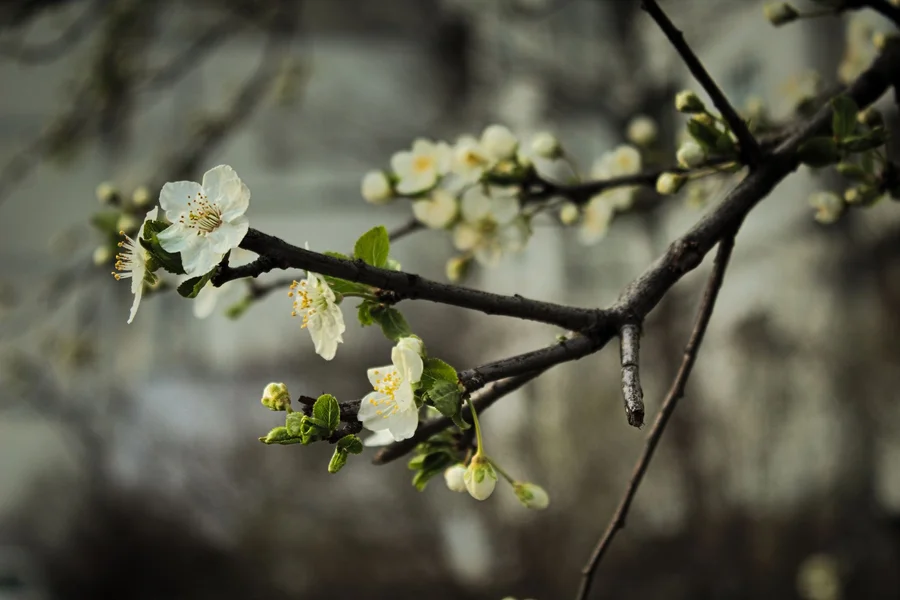
From what we’ve seen in Japanese pop culture, this phrase captures the bittersweet concept of impermanence. According to historical records of Japanese proverbs, the full saying is “Tsuki ni muragumo, hana ni arashi,” which pairs storm-blown cherry blossoms with clouds drifting across a glowing full moon to show that perfect moments rarely last forever.
One myth many readers believe is that the phrase only conveys sadness or despair. In fact, it is traditionally interpreted as a gentle reminder to cherish positive moments while they are happening, because unexpected winds can change your circumstances at any time.
Hana ni Arashi manga adaptations
Hana ni Arashi is best known to modern international readers as the title of a popular romantic comedy manga created by Luka Kobachi. Serialized between 2017 and 2023 on the Sunday Webry platform, the story follows two high school girls who navigate a secret romantic relationship.

Here are three notable facts about the manga adaptation by Luka Kobachi:
- English Localization: The series was licensed for English release by Viz Media under the official translated title Rainbows After Storms.
- Character Focus: The narrative centers on Nanoha and Chidori, two close friends who decide to start dating while keeping their feelings hidden from classmates.
- Story Length: The manga concluded after thirteen collected volumes, earning praise for its heartwarming and wholesome progression.
In practice, distinguishing between different works with identical Japanese titles prevents confusion. If you are curating a collection of books or styling your reading nook, learning tips for avoiding visual aesthetic errors will help you organize your creative space cleanly.
Themes of fleeting joy in Japanese storytelling
The themes in Hana ni Arashi connect directly to the traditional aesthetic philosophy of mono no aware, an awareness of the transience of all things. Japanese authors frequently use cherry blossoms as visual metaphors to mirror personal vulnerability and emotional growth.
We prefer romance stories that emphasize honest communication alongside these classic literary metaphors. Based on reader reviews from manga publication forums, the lighthearted tone of Kobachi’s work balances the natural anxiety of the title’s proverbial storm, creating an uplifting reading experience.
Imagine reading a chapter where the two main characters share a quiet conversation on a rooftop while petals drift past in the spring wind. The title quietly reminds you that while high school youth and secret romances have challenges, the shared memories remain precious.
Frequently Asked Questions about Hana ni Arashi
What is the full Japanese proverb for Hana ni Arashi?
The full proverb is “Tsuki ni muragumo, hana ni arashi” (月に叢雲、花に嵐), which translates to “Clouds over the moon, a storm over blossoms.” It means that good things are often accompanied by disruptions.
Is the Hana ni Arashi manga completed?
Yes, the manga series written and illustrated by Luka Kobachi completed its serialization in 2023 with a total of thirteen volumes.
What is the English title of Luka Kobachi’s manga?
The English localized edition published by Viz Media is titled Rainbows After Storms.

Written by Rosella
Rosella is a self-taught digital creator with a passion for breaking down tech, lifestyle, and everyday topics into simple, easy-to-understand content. Based in Youngstown, Ohio, she brings a curious, multi-disciplinary approach to writing, covering everything from the latest tech trends to practical life hacks and personal growth insights.
Her goal is straightforward: take complicated ideas and explain them in a way that actually makes sense, so every reader, whether a total beginner or someone more experienced, walks away having learned something useful. When she’s not writing, you’ll usually find her exploring new tools, sharpening her skills, or spending time with family.
Through this blog, Rosella aims to build a community centered on real, actionable insights rather than fluff, jargon, or filler content.