
Table of Contents
Key Takeaways
- Planting native species helps save on water and supports the natural ecosystem.
- Water conservation practices such as rain harvesting and drip irrigation nurture landscapes efficiently.
- Opting for recycled or sustainable building materials adds character and reduces environmental harm.
- Energy-efficient lighting provides practical, beautiful illumination without excessive power use.
- Biodiversity initiatives enrich your garden and promote a healthy balance between flora and fauna.
Designing an eco-friendly outdoor space enhances your home’s curb appeal while actively supporting the environment. By embracing sustainable landscaping techniques and choosing eco-conscious materials, you can create a yard that is not only inviting but also resource-efficient and beneficial to local wildlife. Whether you manage a modest garden or a sprawling backyard, practical steps can make your transformation both beautiful and responsible. If you’re considering professional help for your project, exploring expert services in landscaping Southlake can be your first step toward a greener space.
The choices you make in your outdoor space have far-reaching effects on water conservation, energy use, and biodiversity. From integrating native plants to selecting sustainable materials for your garden furniture, small shifts in your approach can have a lasting impact. Not only will these strategies reduce your carbon footprint, but they also tend to lower maintenance needs and ongoing costs.
Incorporate Native Plants
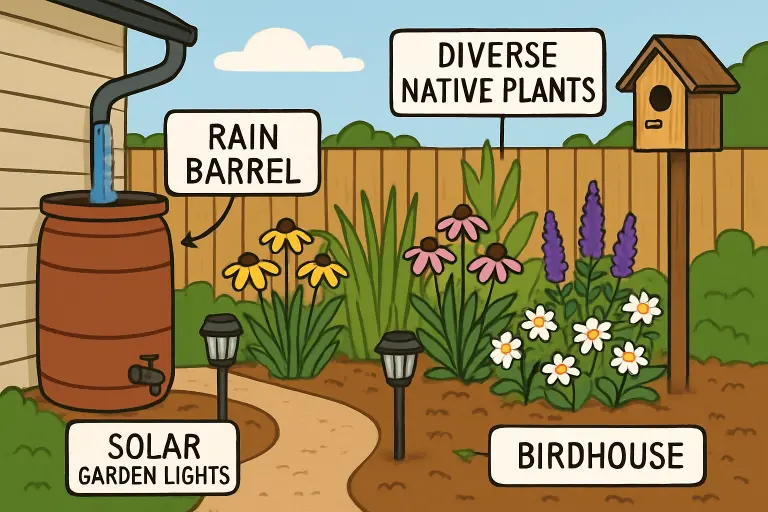
Native plants are tailored to thrive where you live, meaning they require less water, fewer fertilizers, and far less maintenance compared to non-native species. Regarded as powerful tools for sustainability, native choices such as coneflowers, black-eyed Susans, and milkweed make your garden resilient even in the face of regional weather extremes. More importantly, these species provide critical habitats and food sources for pollinators like bees and butterflies, fostering a mini-ecosystem in your backyard. Before selecting plants, consider consulting resources like the National Wildlife Federation’s native plant finder for region-specific suggestions.
For added ecological value, consider creating distinct plant zones, such as a butterfly garden or a wildflower meadow, to attract a variety of beneficial insects and birds. This strategy not only enriches your garden’s visual appeal but also fosters resilience against pests and diseases. Layering native shrubs, perennials, and ground covers maximizes habitat diversity while stabilizing soil and reducing erosion. Mulching with natural materials like shredded bark or leaf litter further enhances moisture retention and suppresses weeds, adding yet another element of sustainability to your plan.
Implement Water Conservation Techniques
Responsibly managing your outdoor water use ensures that your green space stays beautiful and healthy during dry spells without straining the water supply. Collecting rainwater in barrels for later use during irrigation is one practical technique. Another is installing drip irrigation systems, which deliver water directly to plant roots and reduce evaporation. For larger lawns, reducing turf area in favor of drought-tolerant groundcovers can bring significant savings. Pairing these strategies, according to EPA WaterSense guidance, can cut outdoor water usage by up to 50 percent.
Smart irrigation controllers, also known as weather-based timers, further increase efficiency by adjusting watering schedules automatically in response to rainfall and temperature changes. For even greater savings, consider designing rain gardens in low-lying areas to naturally collect and filter runoff, replenishing groundwater while preventing erosion. Using permeable paving stones for walkways and patios also helps rainwater soak into the soil, reducing the volume of runoff during storms. These techniques collectively create a water-wise landscape that is capable of thriving through both wet and dry conditions with minimal input.
Choose Eco-Friendly Materials
Incorporating recycled, reclaimed, or sustainably sourced materials in your gardenscape significantly limits waste and environmental impact. For garden furniture, upcycling with old pallets or reclaimed wood offers a rustic, personalized feel. Hardscaping elements such as stepping stones made from recycled concrete or edging made from repurposed bricks are not only eye-catching but also good for the planet. If seeking durability with an eco-conscious edge, materials like bamboo or sustainably harvested wood are smart alternatives for decking and fencing. Sustainable choices extend beyond furniture and contribute to the entire foundation of your garden’s aesthetic.
Additionally, consider integrating locally sourced stones, gravel, or decomposed granite to reduce transportation impacts and support your regional economy. Choose eco-friendly paints or stains for wooden structures to minimize harmful chemicals leaching into the soil. Even details such as natural fiber rope for trellises or biodegradable plant containers can add to your garden’s overall sustainability profile. The more you can reuse, repurpose, and opt for renewable materials, the smaller your environmental footprint becomes as you craft your ideal outdoor retreat.
Incorporate Energy-Efficient Lighting
Lighting enhances safety, ambiance, and usability during the evening hours, but it should not come at the expense of energy efficiency. Solar-powered lights collect and store energy throughout the day, releasing it after dark without affecting your utility bill. LED fixtures, known for their long lifespan and minimal power draw, provide excellent luminance for paths, patios, and accent features. Introducing lighting controls such as motion sensors or programmable timers means lights are only used when truly needed, minimizing energy consumption and light pollution.
Consider accentuating specific garden highlights, like water features or trees, with targeted solar spotlights for a dramatic effect that requires no wiring or external power. String lights crafted from recycled materials or encased in weatherproof glass can bring whimsical charm to pergolas or outdoor seating areas. Dark sky lighting options, which direct light downward and limit glare, contribute to stargazing opportunities by cutting down on unnecessary skyglow. By thinking creatively about both fixture placement and technology, you can achieve a balance of safety, style, and sustainability.
Encourage Biodiversity
A vibrant garden draws a diverse range of wildlife, creating a living tapestry that is both functional and beautiful. Providing water sources like birdbaths or small ponds, leaving small piles of brush, or installing bug hotels invites birds, beneficial insects, and small mammals to make your yard their home. A diverse planting palette, along with layered plant heights and bloom times, keeps wildlife engaged and assists in natural pest management.
Another way to support biodiversity is by avoiding the use of pesticides and synthetic fertilizers, which can disrupt beneficial insect populations and harm soil health. Instead, build healthy soil with compost and mulch, and encourage predatory insects and birds that naturally manage pest populations. Install nesting boxes or shelters for pollinators and small creatures, and allow some areas of your landscape to remain a bit ‘wild’ for wildlife cover. By fostering a mosaic of microhabitats and food sources, you’ll support a flourishing ecosystem that remains vibrant and balanced year-round.
Bringing sustainability into your outdoor space is not just about aesthetics; it also means contributing to conservation efforts and local ecological health. Each small step, from plant selection to water management, plays a part in nurturing a vibrant, eco-friendly retreat that benefits you, your family, and your surrounding community.